
Video Doorbell Installation in Philadelphia
See, hear, and speak to every visitor at your door — from your couch or from across the city. Professional video doorbell installation for Philadelphia rowhomes and single-family homes.
HD Video with Night Vision
Instant Motion Alerts
Two-Way Audio
Licensed & Insured in PA








Professional Video Doorbell Installation for Philadelphia Homeowners
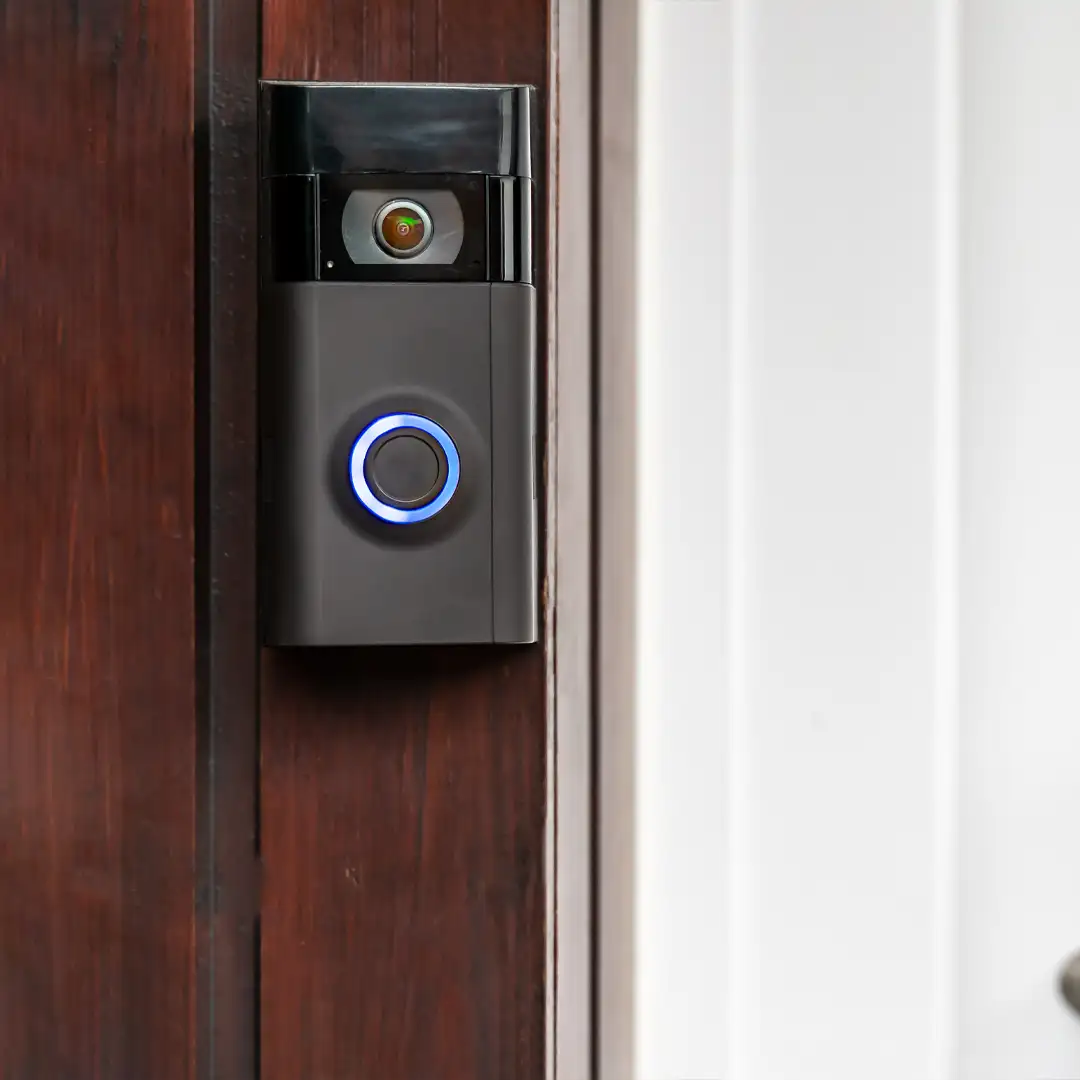
TeamTech Security installs professional video doorbells for Philadelphia homeowners who want to know exactly who’s at their door — whether they’re home or not. Porch package theft is one of the most common property crimes in Philadelphia neighborhoods, and a visible, professionally installed video doorbell is one of the most effective deterrents available. We handle wiring assessment, mounting, app setup, and motion zone configuration — everything in a single visit.
HD Video
Crystal-Clear Visitor View
180°
Wide-Angle Door Coverage
2-Way
Live Audio Communication
24/7
Motion Alerts & Recording

Know Who's at Your Door Before You Open It
WHY TEAMTECH
See Every Visitor Clearly
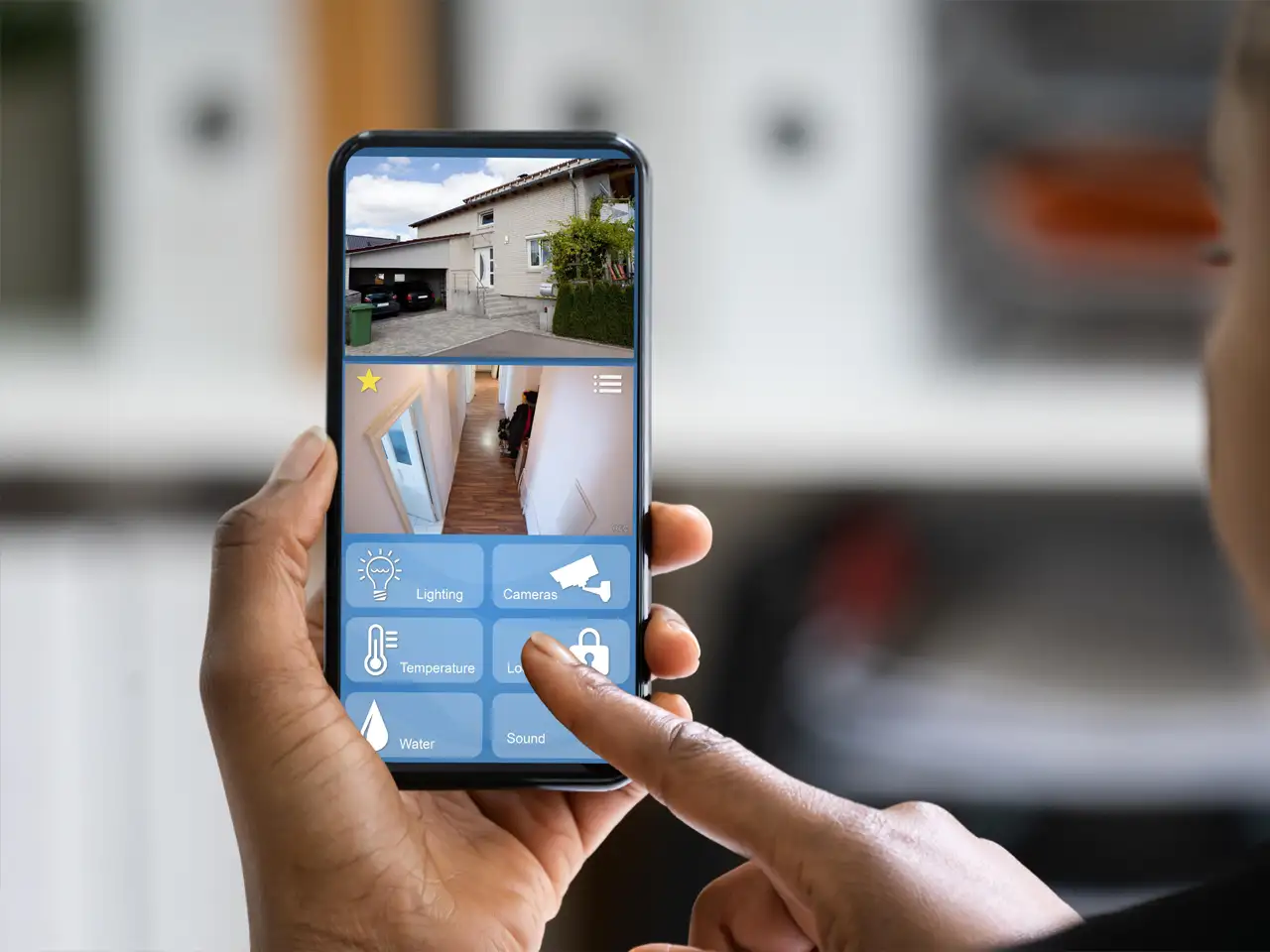
HD video and two-way audio lets you see, hear, and speak to anyone at your door — from your couch or from across Philadelphia — before deciding to answer.
Stop Porch Pirates
Instant motion alerts and a visible camera presence deter package theft — one of Philadelphia's most common residential property crimes.
Answer Your Door From Anywhere
At work, running errands, or on vacation — receive doorbell alerts on your phone, speak to the visitor, and unlock a smart lock remotely if needed.
OUR PROCESS
Installed and Live in a Single Visit
Most Philadelphia rowhomes already have the wiring needed for a professional video doorbell. We confirm compatibility, install everything, and have your app running before we leave.
Doorbell Assessment & Wiring Check
We check your existing doorbell wiring — most Philadelphia rowhomes have 16–24V AC wiring suitable for wired models — and recommend the right unit for your door and setup.
Professional Installation
Our technicians mount the doorbell, connect wiring, configure motion detection zones, and set up push notifications on your smartphone.
Live Demo & Handover
We test two-way audio, motion alert sensitivity, and night vision quality, and walk you through all app settings before we pack up.

Get a Free Video Doorbell Consultation for Your Philadelphia Home
SEE WHO'S AT YOUR DOOR
Tired of missed deliveries and not knowing who's knocking? We'll assess your door setup and install a video doorbell that works reliably — rain, snow, or night.
Video Doorbell Brands We Install
TRUSTED HARDWARE
We install professional-grade video doorbells built for outdoor Philadelphia weather — not the consumer-grade devices that fail after one winter.

DS-KB series video doorbells
IR & full-color night vision
Smart lock integration
VTO doorbell series
Full-color night vision
Customizable motion zones
G4 Doorbell Pro
Package detection AI
Native UniFi Protect integration
Residential video doorbell
Wide-angle lens
Weatherproof housing
IP video doorbell
PoE & wireless options
NVR system integration
Affordable video doorbell range
Easy retrofit installation
App-based management

Video Doorbell Installations Across Philadelphia
OUR WORK
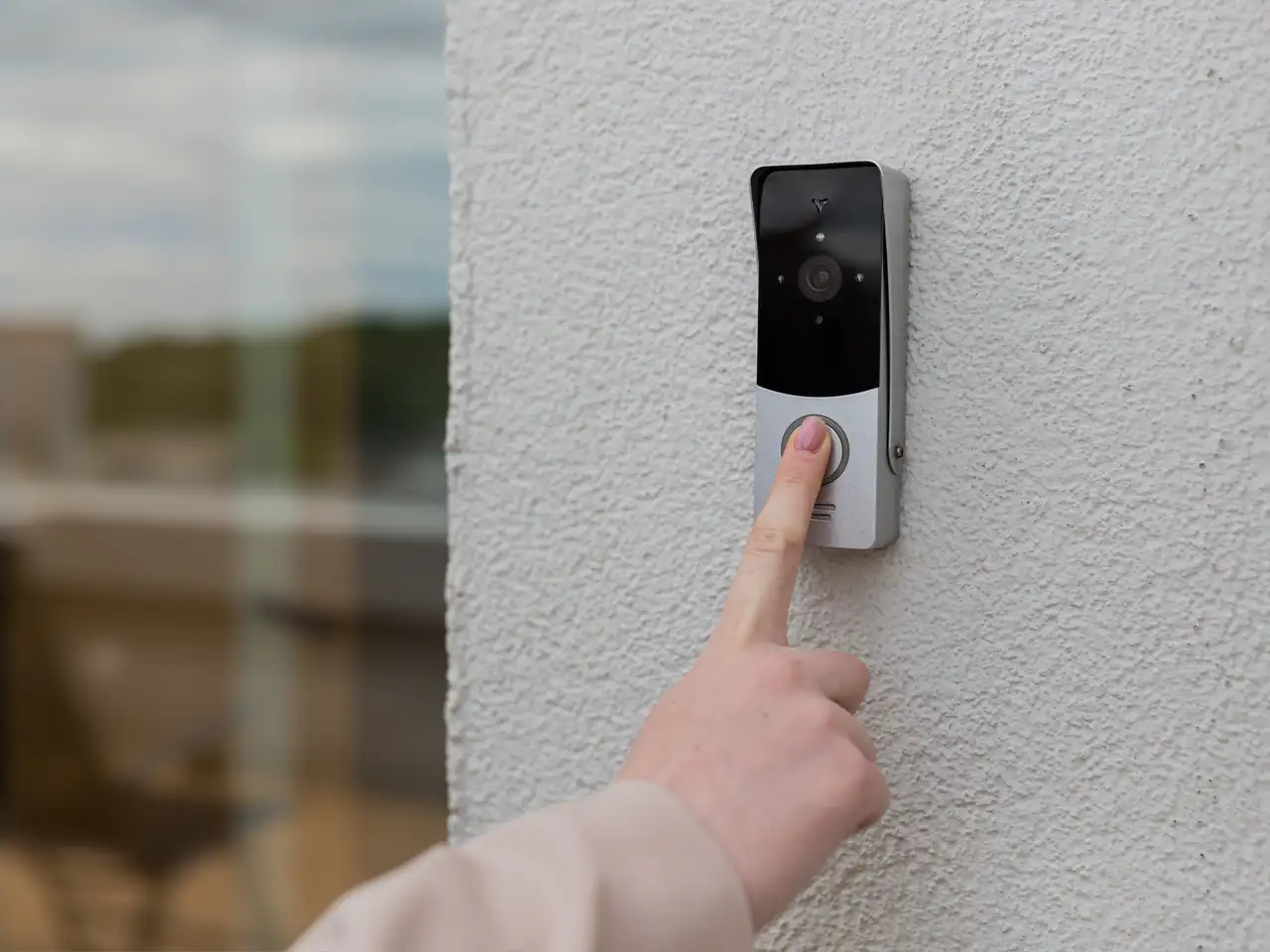
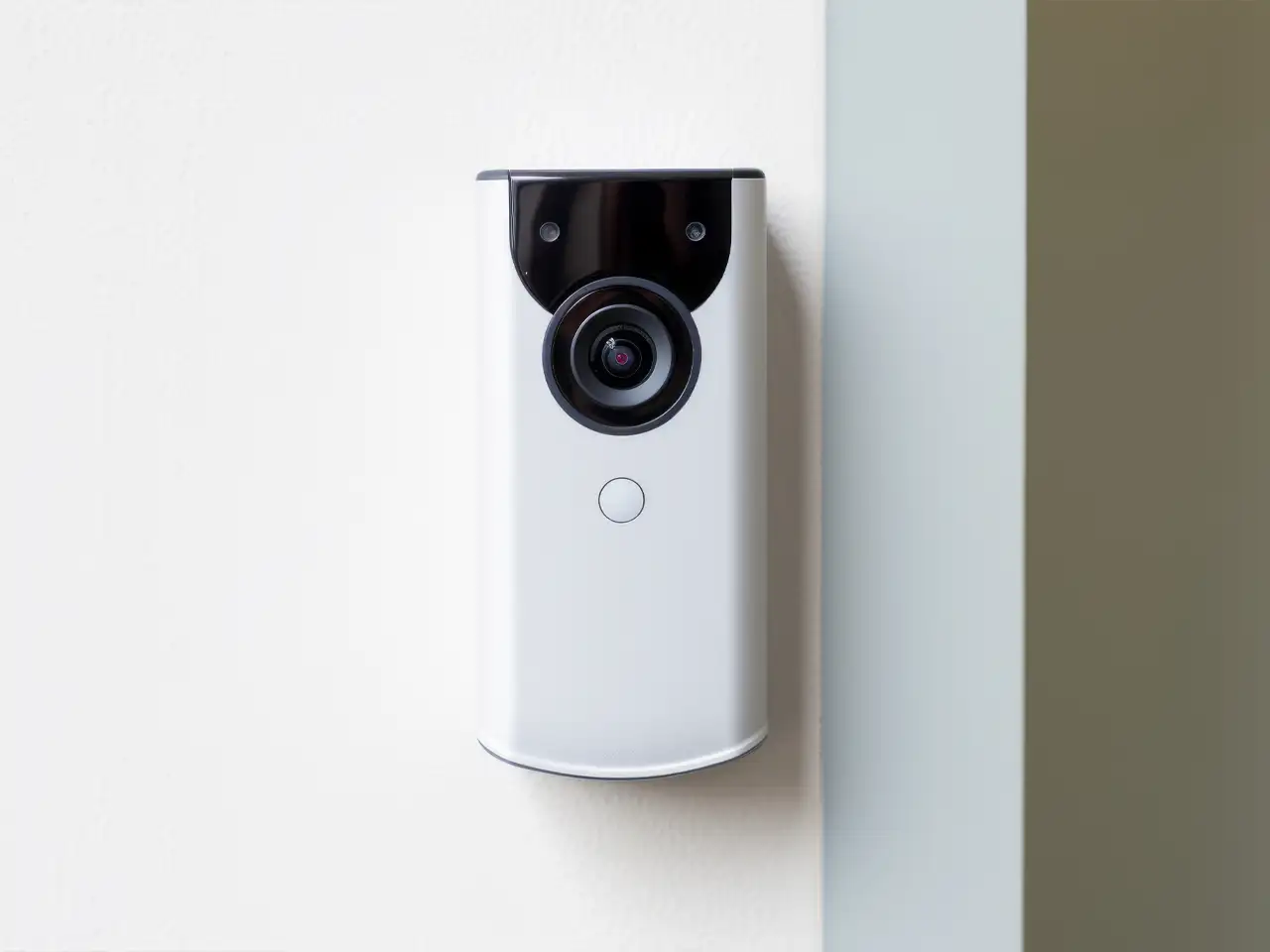
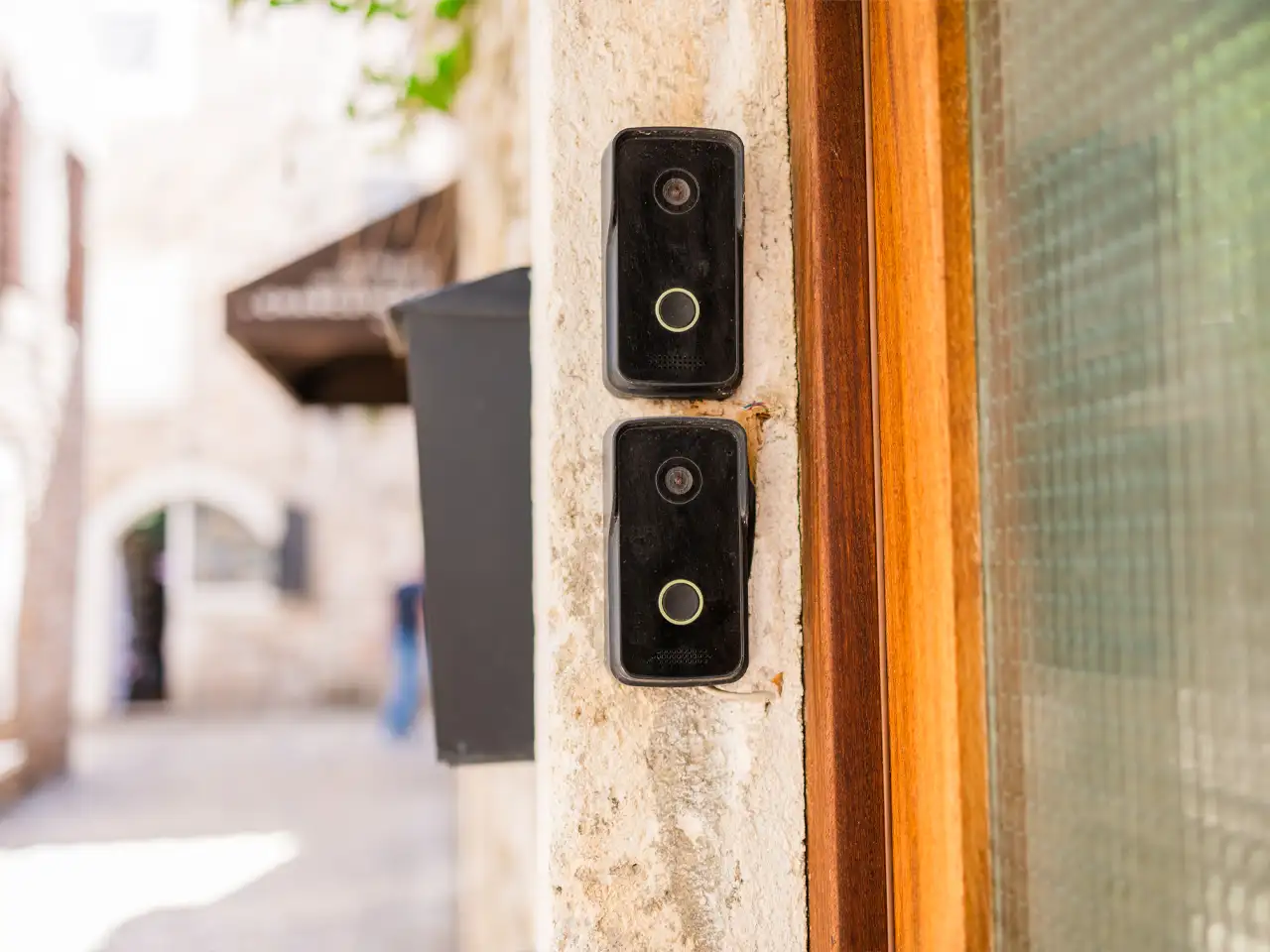
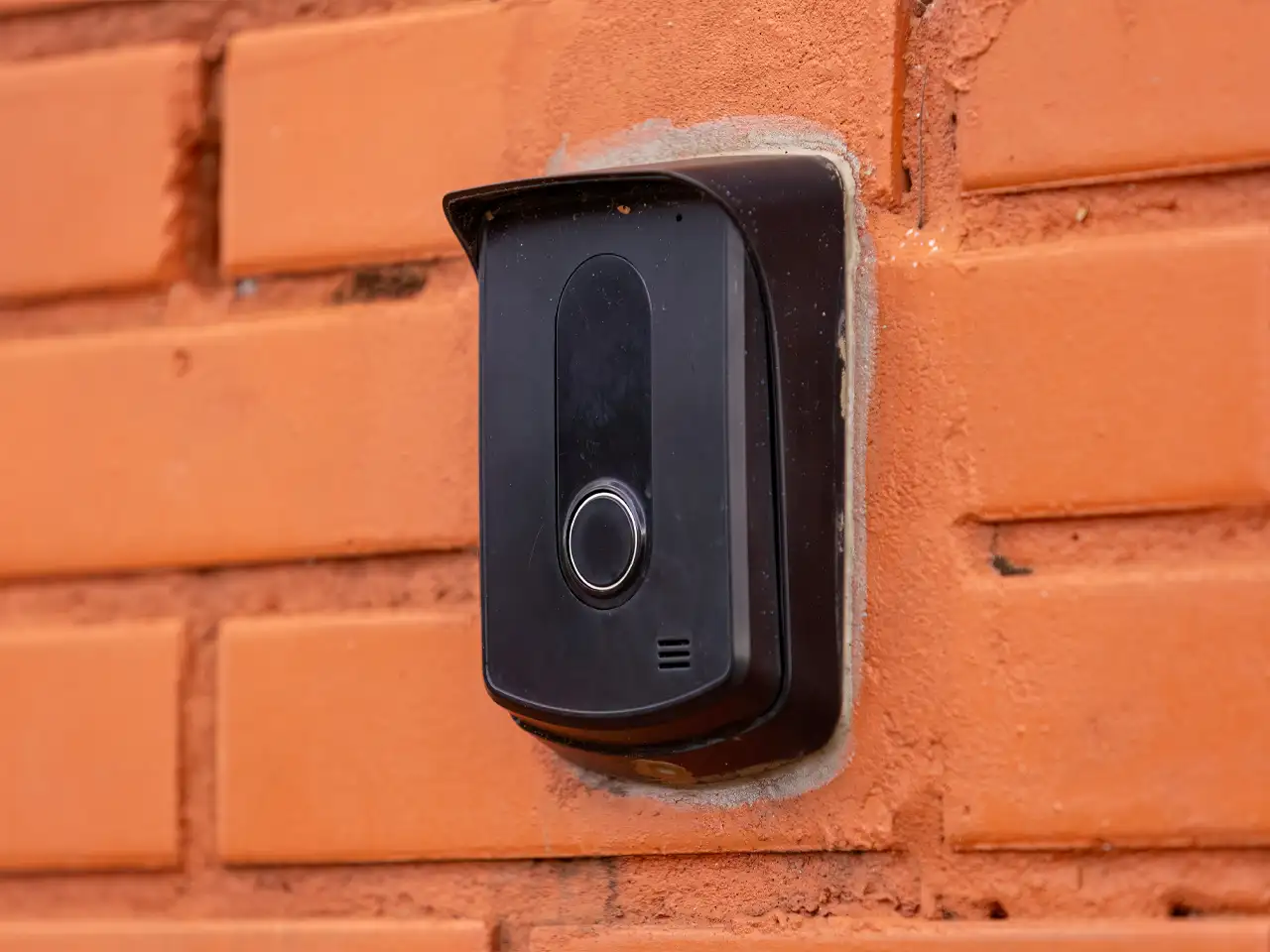
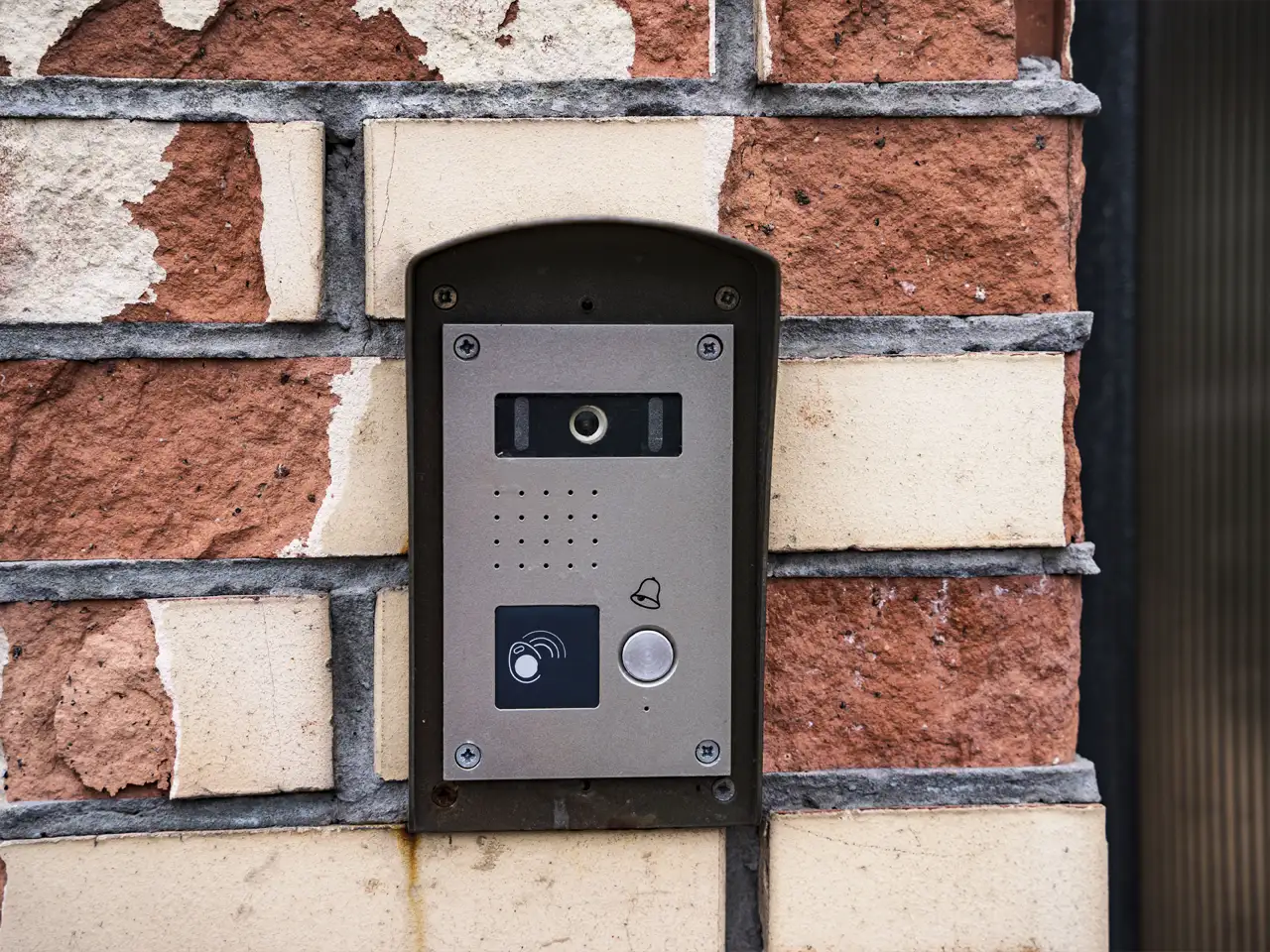
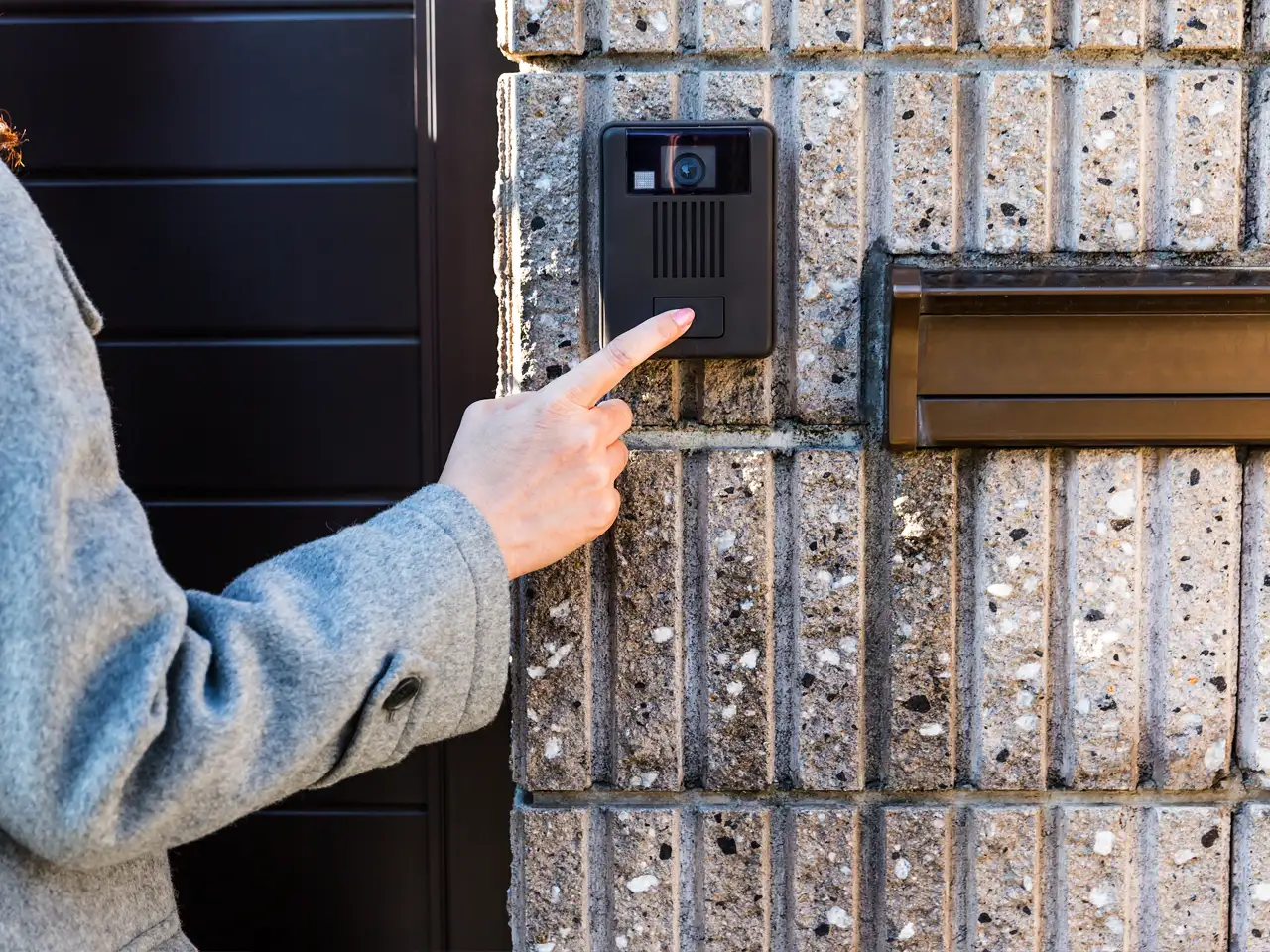
From Fishtown townhouses to Northeast Philadelphia rowhomes — browse our residential video doorbell installation portfolio.
What Philadelphia Homeowners Say
CLIENT REVIEWS
Video Doorbell FAQs
COMMON QUESTIONS
What is the best CCTV setup for a multifamily building near Bryn Mawr College?
For a multifamily residential building in the blocks adjacent to Bryn Mawr College or the SEPTA train station, the standard CCTV installation covers three zones: building entry (the front door and any secondary entry doors), the parking area or parking lot if the property has off-street parking, and the common interior areas including the lobby, mail area, and stairwells or elevator landings on each floor. This configuration provides coverage of the highest-frequency incident locations in multifamily residential buildings — entry points and common interior areas — without requiring cameras in private residential spaces.
Building entry cameras for multifamily properties should capture a clear face-level image of anyone entering the building, which requires camera placement at a height and angle that captures the face rather than the top of the head. This is a common installation error — cameras mounted at ceiling height above a building entry capture footage that is nearly unusable for identification. We mount building entry cameras at 8 to 10 feet, angled slightly downward, to capture a face-level image of any individual passing through the entry in either direction.
For multifamily properties with an intercom system managing building entry — either an existing system that needs replacement or a new installation — we install video intercom systems that allow residents to see and speak with a visitor before remotely releasing the front door lock, with an app on each resident’s smartphone providing the same capability from anywhere. This eliminates the common security failure mode of residents buzzing in unknown visitors without visual identification. All CCTV footage stores to a centrally managed NVR accessible by the property manager, with 30 days of storage as the default configuration.
How much does a home security system cost for a Bryn Mawr residence?
For a standard smaller single-family home in Bryn Mawr’s in-town neighborhoods — two to three bedrooms, first floor with six to eight door and window access points — a professionally installed security system covering all perimeter entry points, a main floor motion detector, and two to three exterior cameras typically ranges from $2,000 to $4,500 for equipment and installation combined. This range reflects variation in camera count, camera specification, and whether additional features such as a video doorbell or glass break detectors are included.
For larger residential estates in the Bryn Mawr neighborhoods north of Lancaster Avenue — properties with long driveways, detached garages or carriage houses, and larger lots requiring additional camera positions — the installation cost follows the estate model and typically ranges from $8,000 to $20,000 depending on the number of structures, driveway length, and access control requirements. The determining factors are the number of cameras required for adequate lot coverage, the number of structures requiring independent sensor coverage, and whether driveway access control is included.
Monitoring is a separate ongoing cost, typically $30 to $55 per month for professional UL-listed central monitoring with cellular backup. For medical and commercial properties in Bryn Mawr, monitoring runs $45 to $75 per month depending on the number of monitored zones and the response protocol. We provide a fully itemized fixed-price proposal before any work begins, specifying every component by manufacturer and model so you can compare our proposal against any competing quote on an equivalent-specification basis.
Can you repair a security system that was installed by a different company?
Yes. We service and repair commercial security systems regardless of who installed them. As long as the equipment is from a brand we support — which covers the vast majority of systems installed in Philadelphia — our technicians can diagnose, repair, and reconfigure it. We’ll document the existing system during the service visit and provide recommendations if any components are end-of-life or non-standard.
What does your 90-day repair warranty cover?
Our 90-day warranty covers both parts and labor for the specific fault we repaired. If the same issue recurs within 90 days of the service visit, we return and fix it at no additional charge. The warranty does not cover new, unrelated faults or damage caused by power surges, vandalism, or third-party interference after our visit. All service visits are documented in writing so coverage is clear and unambiguous.
What if my home doesn’t have existing doorbell wiring?
We can install a battery-powered video doorbell that requires no wiring — ideal for Philadelphia rowhomes and apartments where running new wire is impractical. Battery models typically last 3–6 months per charge depending on activity level. Alternatively, if your home has accessible walls or conduit, we can run new low-voltage wiring for a fully wired installation, which we generally recommend for reliability and continuous recording.
How do I secure a wooded driveway approach on a Gladwyne estate?
A wooded driveway approach presents two specific security challenges: the absence of ambient light that standard outdoor cameras require for useful night footage, and the visual screening that tree cover provides to anyone approaching the property on foot or by vehicle outside the driveway path. Addressing the lighting challenge requires cameras with long-range IR illumination — rated for 80 to 150 feet minimum in complete darkness — or color night-vision cameras that activate an integrated white-light LED on motion detection, producing full-color footage at the cost of a visible light source. For Gladwyne driveways where the driveway is the only practical approach path, IR cameras are typically adequate and avoid the visibility concern of a white-light activation. For properties where the driveway approach is also a pedestrian path used by household members in the evening, color night-vision with white-light provides the dual benefit of security footage and functional illumination.
The screening challenge — the possibility of foot approach through adjacent wooded property outside the camera’s field of view — is addressed through perimeter sensor coverage along the property boundary. Passive infrared beam sensors or ground-loop detection systems installed along the property line detect foot traffic crossing the perimeter outside the driveway and trigger a camera recording event before an approaching individual reaches the residence or any outbuilding. This is standard practice on large wooded Gladwyne lots where the visual perimeter and the camera perimeter would otherwise leave blind zones between the driveway approach cameras and the residence entry cameras.
Camera positioning on a wooded approach also requires attention to the specific visual interference of tree branches in wind. Cameras positioned with a direct line of sight through tree branches frequently generate excessive motion-triggered false alerts from branch movement — particularly in winter when bare branches have more motion than in-leaf. We select mounting positions that minimize branch interference and configure motion detection zones that exclude the active branch movement areas in the camera’s field of view, reducing false alert volume to an operationally manageable level.
Book a Free Video Doorbell Consultation
GET STARTED