
Warehouse & Logistics Security Systems in Philadelphia
Cargo theft, inventory shrinkage, and unauthorized facility access cost Philadelphia warehouse operators millions annually. We install industrial-grade camera systems and multi-shift access control built for the scale, environment, and operational demands of your facility.
Industrial-Grade Camera Systems
Licensed & Insured in PA
Free Facility Assessment

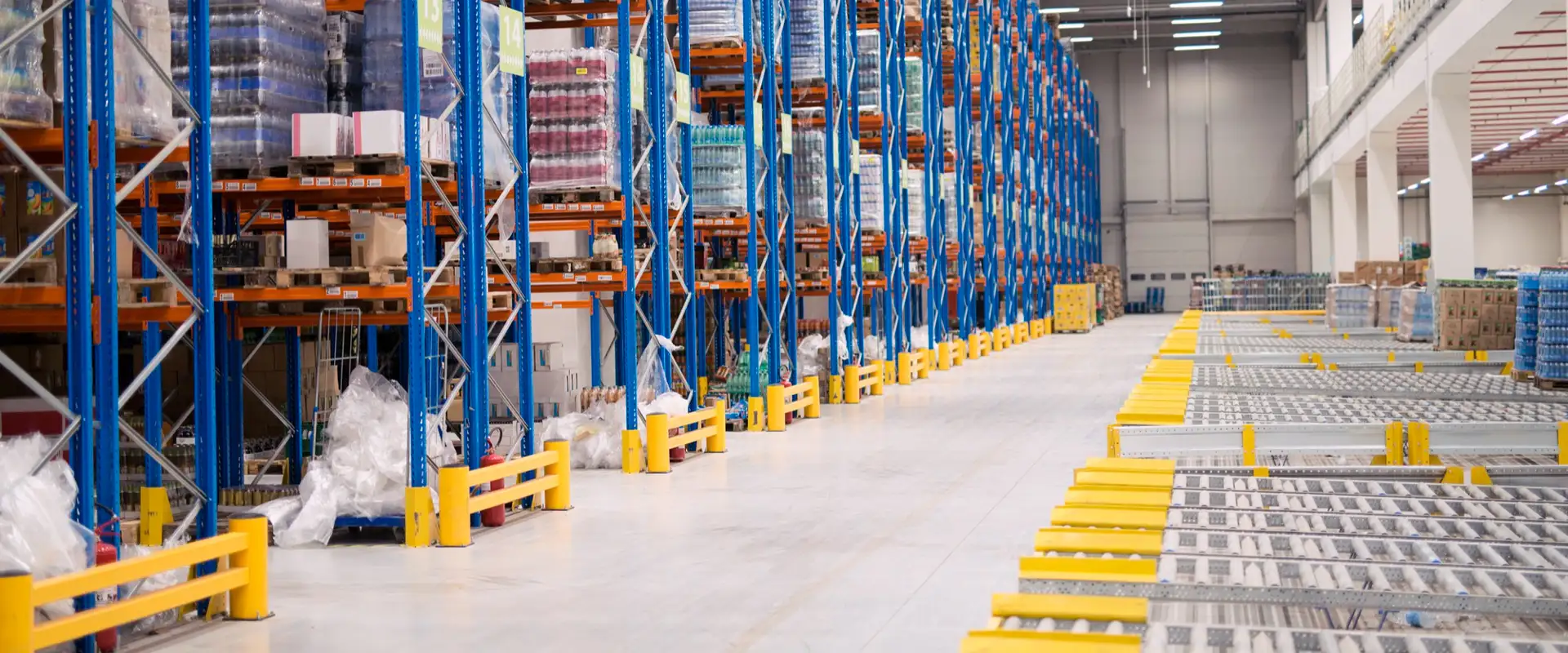






Security Systems for Warehouses & Logistics in Philadelphia
INDUSTRY OVERVIEW
Philadelphia’s position as a major Northeast logistics hub — with direct access to I-95, I-76, the Port of Philadelphia, and regional rail freight corridors — makes it a concentration point for warehousing, distribution, and last-mile operations. With that concentration comes a proportionally elevated security risk. Cargo theft in the Philadelphia metro area consistently ranks among the highest in the Mid-Atlantic region, and organized cargo theft groups specifically target facilities with weak perimeter control, inadequate dock coverage, or no after-hours monitoring.
Warehouse environments present camera system challenges that standard commercial solutions are not designed to handle. High ceiling clearances, wide-open floor plates with rack systems 30 feet tall, loading dock areas exposed to outdoor conditions, and large vehicle yards require cameras with the right focal length, resolution, and environmental rating — not the same hardware used in an office lobby. Installing the wrong camera in a warehouse is not just a waste of money. It creates the illusion of coverage where none actually exists.
TeamTech Security designs and installs security systems for Philadelphia-area warehouses, distribution centers, and logistics facilities — from Northeast Philly’s industrial corridors to Port Richmond, Kensington, and throughout the Delaware Valley. We specify industrial-grade IP cameras rated for warehouse environments, size NVR storage for 30 to 90 days of retention, and implement access control systems that manage multi-shift workforces, contractor visits, and vehicle gate entry. Every system is planned from a site survey of your actual facility — not a generic floor plan.
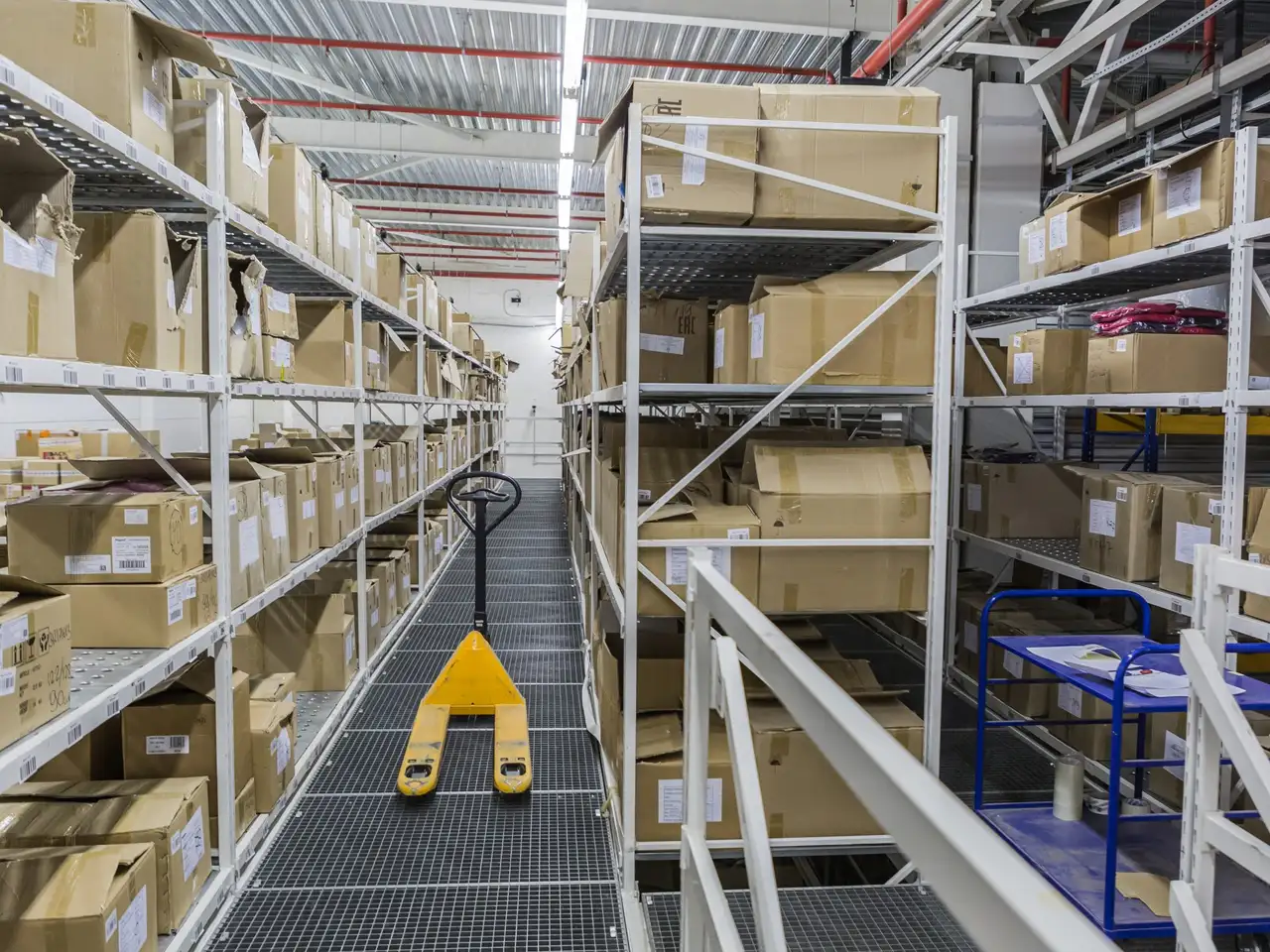

Security Challenges for Warehouses & Logistics
COMMON CHALLENGES
Cargo theft targeting Philadelphia-area warehouses and distribution facilities operates at a scale and sophistication that most facility managers underestimate until after a significant loss. Organized cargo theft groups — increasingly operating across the Northeast — conduct advance surveillance of facilities, identify shift change windows and dock access patterns, and execute planned thefts with speed and coordination that leaves most conventional security systems producing footage of a completed crime rather than preventing one. The FBI and FreightWatch International consistently identify the Philadelphia–New Jersey corridor as a high-priority cargo theft zone, with electronics, pharmaceuticals, and consumer goods representing the highest-value targets. For logistics operators in this market, adequate security is not a precaution — it is an operational requirement that insurance carriers and shipper contracts increasingly mandate.
The second challenge is internal, and statistically just as costly: employee theft and inventory manipulation that occurs slowly enough to avoid triggering obvious discrepancies. In a high-throughput warehouse environment, small consistent losses at receiving, shipping, or within rack storage can accumulate to significant shrinkage before physical inventory counts reveal the pattern. The problem is compounded in facilities with rotating shifts, large contractor workforces, and multiple access points — environments where “everyone had access” makes investigation nearly impossible without timestamped camera coverage and access control logs that narrow the timeline and the population of individuals with opportunity.
The third challenge is unique to warehouses: the physical environment itself defeats inadequate camera hardware. A 1080p camera mounted at 30 feet ceiling height in a facility with mixed artificial lighting, forklift traffic generating dust and vibration, and loading dock areas exposed to rain, temperature swings, and direct sun produces footage that is functionally useless for identifying individuals or documenting specific events. Facility managers who installed budget camera systems discover this not during a routine check, but during an incident investigation — when the footage they needed either does not exist, cannot be retrieved, or shows nothing actionable. Specifying the right hardware for the actual environment is the difference between a security system and a security theater.
Cargo Theft & Loading Dock Vulnerability
Philadelphia's freight corridors are among the most targeted in the Mid-Atlantic. Organized cargo theft groups exploit loading dock blind spots and shift change windows. Dual-angle dock coverage with timestamped footage closes the gaps these groups depend on — and documents every load movement for dispute resolution.
Inventory Shrinkage Across Shifts
Slow, consistent internal theft across rotating shifts accumulates into significant losses before physical counts reveal the pattern. Without camera coverage of rack aisles, staging areas, and shipping/receiving — combined with access control logs — investigations stall at "everyone had access."
Uncontrolled Contractor & After-Hours Access
Warehouses receive drivers, vendors, and contractors at all hours. Without access control and camera coverage of entry points, there is no record of who was in the facility, when, or which areas they accessed — making incident investigation and insurance claims nearly impossible to support.
Camera Hardware That Fails in the Environment
High ceilings, forklift dust, loading dock weather exposure, and mixed lighting defeat standard commercial cameras. We specify IP66-rated industrial hardware with the right focal length and low-light performance for your actual facility — not hardware designed for an office building.


Security Solutions Built for Philadelphia Warehouses & Distribution Centers
Our Solutions
We design layered security systems for Philadelphia logistics facilities — industrial-grade IP cameras covering the full footprint, multi-shift access control with exportable audit logs, and NVR storage sized for the retention your insurance and operations require.
Business Video Surveillance
Professional IP camera systems for commercial properties across Philadelphia — scalable, remote-ready, fully installed.
Commercial Access Control Systems
Keycard, biometric & mobile credential systems for Philadelphia businesses — cloud-managed, scalable, fully installed.
Commercial Security System Repair
Fast, certified repair and maintenance for commercial security cameras, access control, intercoms, and building automation systems across Philadelphia.
IP Camera Systems for Business
Scalable network IP cameras for Philadelphia businesses — 4K resolution, PoE-powered, remote-ready.
What Every Philadelphia Warehouse Gets With TeamTech
WHAT'S INCLUDED
Full Facility Coverage — Floor, Dock & Perimeter
Our warehouse coverage plans include every loading dock bay from dual angles, the full floor plate with ceiling-mount wide-angle cameras covering rack aisles, high-value cage storage, exterior vehicle yard, and all access points. We present a coverage map for your review and approval before a single camera goes on the wall — not after.
30–90 Day Retention, Sized for Your Operation
We calculate NVR storage based on your camera count, resolution, and required retention period — with headroom. Cargo theft and internal shrinkage incidents are often discovered weeks after they occur. Footage that expired before the investigation began is the same as no footage. We make sure yours is there when you need it.
Multi-Shift Access Control With Full Audit Logs
We install keycard and PIN-based access control systems with role-based permissions — separate access levels for day shift, night shift, management, contractors, and vehicle gate entry. Every entry is logged with timestamp and credential ID, exportable for HR, loss prevention, insurance carriers, and law enforcement requests.
OUR PROCESS
From First Call to Full Facility Coverage — Without Disrupting Operations
Three straightforward steps built around your operational schedule. Warehouse installations are planned to avoid disruption to active shifts — most Philadelphia facilities are fully covered within 2–5 days depending on size.
Free Facility Security Survey
We visit your Philadelphia warehouse or distribution center at no cost. Our technician walks the full facility — every dock bay, rack aisle, high-value storage area, exterior yard, and vehicle gate — and maps camera placement and access control points against your specific layout and shift structure. No commitment required before you see the coverage plan.
Facility-Specific System Design & Quote
You receive a detailed written proposal: camera count and placement map with ceiling heights and mounting solutions, equipment specs (resolution, IP rating, focal length), NVR storage sized for your required retention period, access control configuration by shift and role, and a fully transparent price breakdown. Insurance documentation requirements are addressed in the proposal if relevant.
Professional Installation Around Your Schedule
Our licensed technicians coordinate installation around your active shifts — phasing work through docks, aisles, and exterior areas without halting operations. We configure remote access and access control permissions, test every camera angle under your facility’s actual lighting conditions, and conduct a full walkthrough with your operations and security team before sign-off.

What Philadelphia Warehouse Operators Say
CLIENT REVIEWS
Warehouse Security FAQ
GOT QUESTIONS?
How many cameras does a Philadelphia warehouse typically need?
Camera count depends on square footage, ceiling height, number of loading docks, rack configuration, and the number of exterior access points. A 20,000 sq ft warehouse typically requires 16–24 cameras for comprehensive coverage. A 50,000+ sq ft distribution center may need 32–50 or more. We conduct a free facility walkthrough and provide a written camera placement plan before any equipment is specified or purchased.
What camera specifications matter most in a warehouse environment?
Three factors are critical for warehouse cameras: resolution (4MP minimum for rack aisle and dock coverage to identify individuals and cargo at distance), low-light performance (warehouses have mixed lighting zones and dark corners that defeat standard cameras), and IP rating (IP66 or higher for dust and moisture resistance, especially near loading docks and exterior areas). We specify hardware rated for your actual environment — not general commercial hardware repackaged for industrial use.
How do you cover high rack aisles without creating blind spots?
For standard racking areas, we use wide-angle ceiling-mount cameras at the end of each aisle combined with elevated side-mount cameras for inter-level coverage. For high-bay facilities with 30+ foot ceiling clearances, varifocal cameras with motorized zoom provide flexible coverage that can be adjusted without remounting. Every aisle placement is verified in the coverage map before installation.
Can you install access control that works across multiple shifts?
We install access control systems with role-based permissions—day shift, night shift, management, contractors, and visitors can all have different access levels to different areas, active during different hours. Entry logs are exportable for HR, loss prevention, and compliance reporting.
What NVR storage do you recommend for a warehouse?
For a 20-camera system recording continuously at 4MP, you’ll need approximately 8–12TB for 30 days of retention, or 16–24TB for 60 days. We size storage to your retention requirement and camera count, with room to expand. RAID-configured NVRs are available for redundancy in mission-critical environments.
Do you service facilities in the Philadelphia suburbs and Delaware Valley?
Yes. We serve warehouses and logistics facilities throughout the Philadelphia metro area, including Port Richmond, Kensington, Northeast Philly, as well as Burlington County NJ, Chester County PA, Delaware County PA, and Bucks County PA.
Get a Free Facility Security Assessment
CONTACT US