
Smart Building Automation Systems for Philadelphia Businesses
Connect security cameras, access control, lighting, and HVAC into one intelligent platform — designed for Philadelphia offices, warehouses, and commercial campuses.
Commercial Building Specialists
Fully Integrated Systems
Security + HVAC + Lighting
Remote Monitoring 24/7
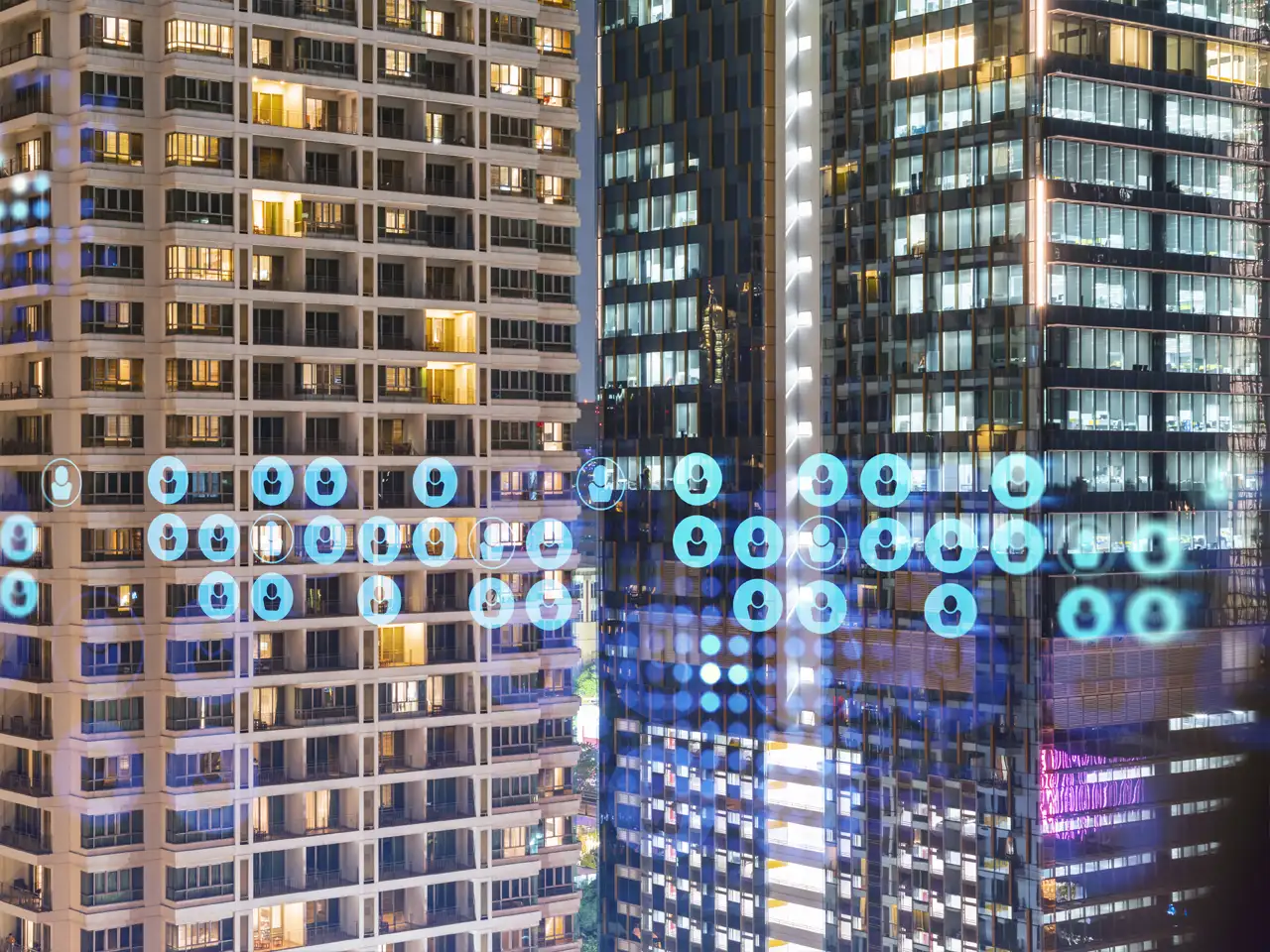








Unified Building Intelligence for Philadelphia Commercial Properties
TeamTech Security designs and installs smart building automation systems that connect your security infrastructure — cameras, access control, and intercoms — with building-wide systems including lighting, HVAC, and occupancy monitoring. The result is a single manageable platform that reduces energy costs, improves security response time, and gives facility managers real-time visibility across every floor and entry point.
100+
Commercial Properties Automated
30%
Average Energy Cost Reduction
1 App
Full Building Control
24/7
Remote Monitoring & Alerts

One Platform. Every System. Full Control.
WHY TEAMTECH
Unified Control Dashboard
Manage cameras, access control, lighting, and climate from a single web or mobile interface — no switching between vendors or apps.
Measurable Energy Savings
Occupancy-triggered lighting and HVAC schedules cut energy costs by up to 30% in commercial spaces — with ROI typically under 3 years.
Proactive Security Response
Automated alerts link camera footage to access events in real time — so your team responds to incidents faster and with full visual context.
OUR PROCESS
From Assessment to Fully Automated Building
We audit your existing infrastructure, design the integration architecture, install and commission all systems, and train your team — all under one contract.
System Audit & Integration Plan
We assess your existing security, HVAC, lighting, and network infrastructure, then design an integration plan with a prioritized implementation roadmap and written quote.
Installation & System Integration
Our licensed technicians install hardware, connect all systems via IP network or dedicated controllers, and commission the unified management platform.
Training & Ongoing Support
We train your facilities team on the dashboard, configure automated schedules and alerts, and provide ongoing support as your building needs evolve.


Schedule a Free Smart Building Assessment for Your Philadelphia Property
SMARTER BUILDINGS START HERE
Retrofitting an older commercial space or outfitting a new development? We'll map the integration plan and deliver a detailed quote at no cost.
Smart Building Platforms We Install & Integrate
TRUSTED HARDWARE
We work with industry-leading hardware platforms to build open, scalable automation systems for Philadelphia commercial properties.
Building automation controllers
Smart thermostat & HVAC integration
Commercial energy management dashboards

Unified video + access platform
AI-powered occupancy detection
Integrated security & building management
Network infrastructure backbone
UniFi Access door control
Centralized cloud management console
Multi-system integration
Smart video analytics
Automated alarm & event response
Network sensors & cameras
Open API for third-party integration
ACAP application platform
Commercial-grade security hardware
Integrated NVR systems
Cost-effective retrofit solutions

Smart Building Installations Across Philadelphia
OUR WORK
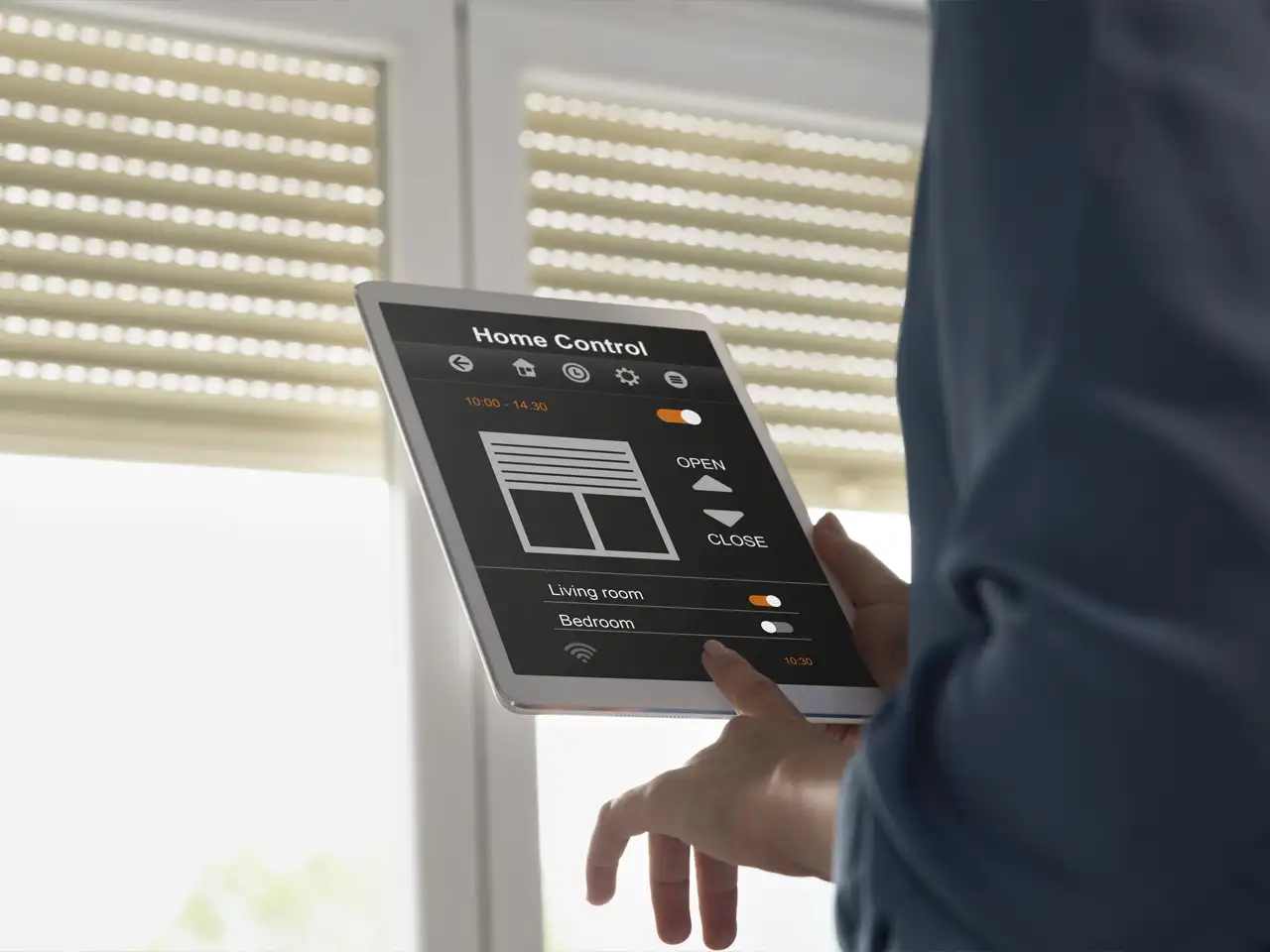
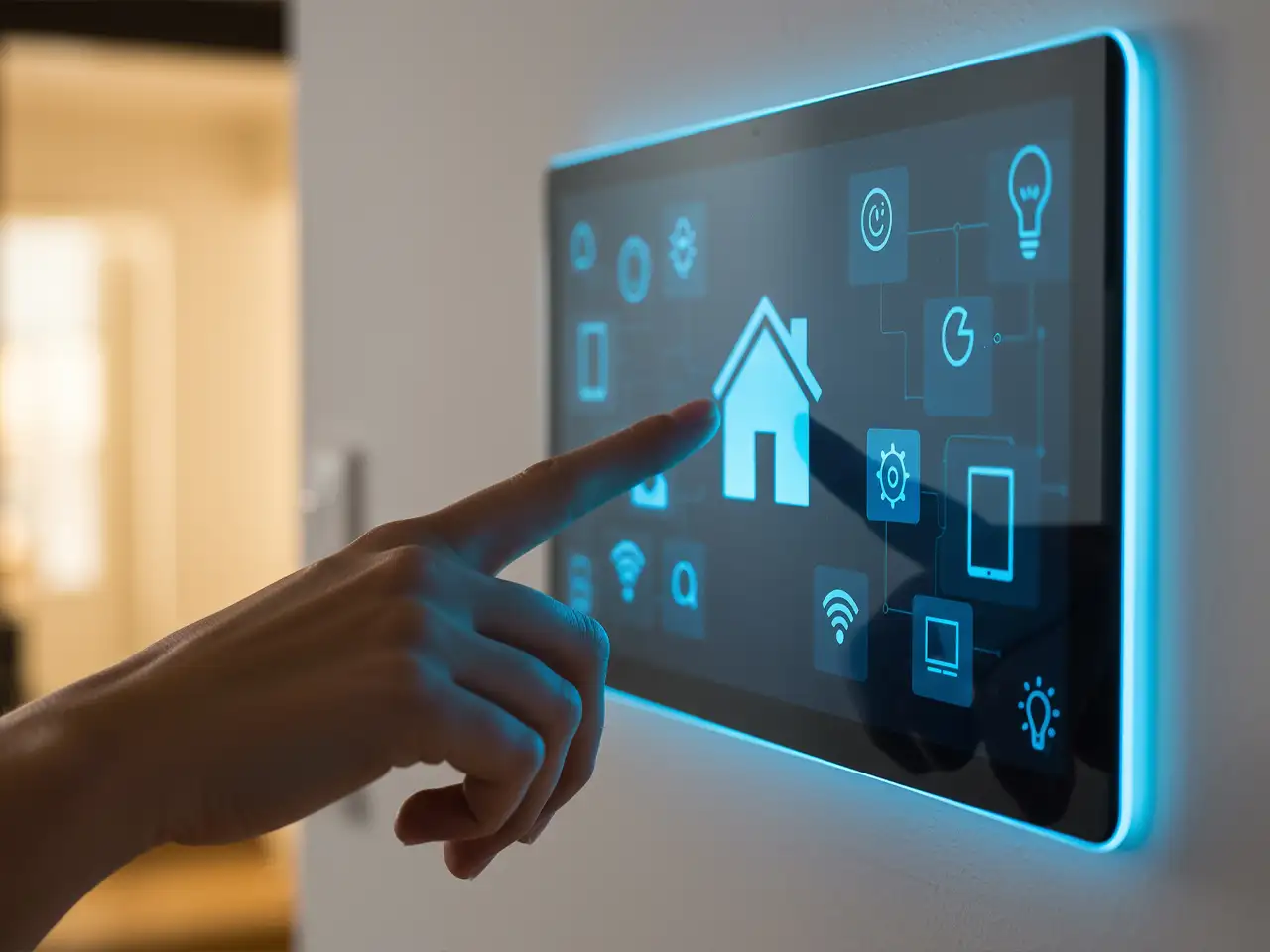
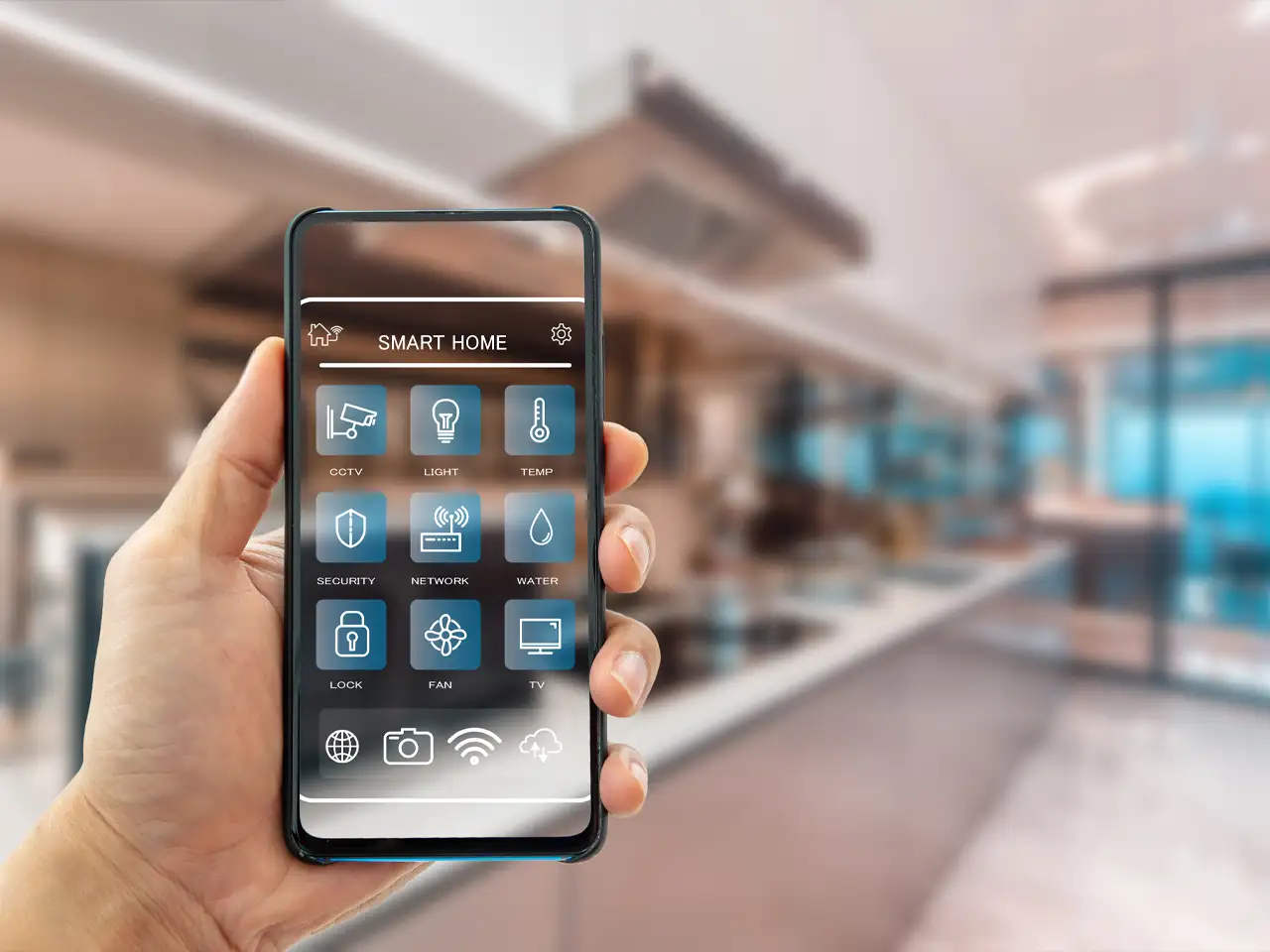
From Center City office towers to Northeast Philadelphia warehouses — browse our smart building automation portfolio.
What Philadelphia Facility Managers Say
CLIENT REVIEWS
Smart Building Automation FAQs
COMMON QUESTIONS
What security system do I need for a townhouse in a Blue Bell planned community?
For a townhouse in one of Blue Bell’s planned residential communities — the most common residential property type in Whitpain Township — the appropriate security installation addresses the specific access configuration of attached construction: a front door, a rear door or sliding glass door, ground-floor windows, and the interior garage-to-home passage door. In attached townhouse construction, the shared party wall with adjacent units is not a burglary entry vector — perpetrators enter townhouses through the same exterior access points as detached homes. The interior garage door is consistently the highest-priority entry point to include in the sensor perimeter, because electric garage door openers on older models are vulnerable to code-cloning, and a perpetrator who enters the garage through the overhead door and finds an unsensored interior passage door faces no further detection barrier.
A standard townhouse security installation in Blue Bell includes a monitored alarm panel, door contact sensors on all exterior doors including the garage interior passage door, window sensors on all accessible ground-floor windows, a motion detector covering the main living floor, and a driveway or front exterior camera. This configuration covers all primary entry points and provides both active detection (alarm triggering on any entry breach) and passive deterrence (visible camera and alarm signage reducing the attractiveness of the home as a target relative to unsecured adjacent units).
For townhouse communities with HOA-managed common areas, exterior gates, or shared parking structures, we can assess common area security as a separate installation scope — including camera coverage of the community entrance and parking area managed through a system accessible by HOA leadership — distinct from the individual unit security installation. Many Blue Bell townhouse HOA boards have requested community-wide camera coverage as a complement to individual unit alarm systems, and we install both under a single coordinated proposal.
Do you cover Oreland and Spring House as part of your Fort Washington service area?
Yes — Oreland and Spring House are part of our standard Upper Dublin Township service area and receive the same installation response timeline and contractor availability as Fort Washington Borough addresses. Oreland’s residential neighborhoods along Oreland Mill Road and the surrounding streets are similar in construction and demographic profile to Fort Washington’s established neighborhoods — mid-century single-family homes on standard suburban lots, with the same attached garage interior entry vulnerability that characterizes Upper Dublin Township’s residential burglary pattern. Spring House, positioned along Bethlehem Pike and the Welsh Road corridor, has a more mixed character that includes both residential neighborhoods and commercial properties along the primary corridors.
For Oreland residential installations, monitoring dispatches to Upper Dublin Township Police, which provides patrol coverage across the full township including the Oreland community. Assessment appointments in Oreland are available on the same same-day or next-morning timeline as Fort Washington addresses, and installation scheduling for standard residential projects is typically three to five business days from proposal acceptance.
For Spring House commercial properties along the Bethlehem Pike corridor, our assessment and installation process follows the same commercial framework applied throughout the Upper Dublin Township and Montgomery County commercial market — site assessment, proposal within 24 hours, fixed-price installation scheduled around business operating hours. We treat Oreland and Spring House as primary service communities within our Upper Dublin Township coverage, not as outlying locations requiring extended scheduling or additional travel fees.
Can the system send automatic alerts when a security incident occurs?
Yes. Smart building platforms allow you to configure rule-based automation — for example, trigger a camera recording and send a push notification when a door is forced open after hours, or alert management when occupancy sensors detect motion in a restricted area. All alerts include a timestamp and, where cameras are involved, a linked video clip for immediate review.
Is smart building automation a good investment for smaller Philadelphia businesses?
Yes, particularly when the focus is on security integration rather than full HVAC automation. Connecting cameras, access control, and alerts into a single app eliminates the cost of managing separate systems and significantly reduces response time to incidents. For small offices and retail spaces, a basic integrated system typically pays for itself within 18–24 months through reduced security incidents, lower insurance premiums, and operational efficiencies.
Do you offer preventive maintenance contracts for commercial security systems?
Yes. We offer annual and semi-annual maintenance agreements for commercial properties in Philadelphia. A typical contract includes scheduled on-site inspections, firmware updates, lens cleaning, connection testing, NVR health checks, and a written condition report. Preventive maintenance clients receive priority scheduling for emergency calls and a discounted labor rate on any repairs needed outside the scheduled visits.
What security system covers a Gladwyne property during extended absences?
Gladwyne estate properties that serve as primary residences for families with regular extended travel — seasonal relocations, extended vacations, or multi-week absences — require vacancy security configuration that goes beyond the standard monitored alarm with a spare key left with a neighbor. The central requirement is a monitored system with cellular backup communication so that the alarm remains functional even if the broadband connection is disrupted during absence — by a storm, a power event, or an intentional disconnection. A system that relies on broadband-only communication to the monitoring station is not an adequate vacancy security solution.
Beyond the alarm system itself, remote camera access allows the property owner to conduct a visual check of the property from anywhere in the world and to review any motion-triggered events that occurred during absence. For Gladwyne properties with household staff who visit regularly during the owner’s absence — to water plants, manage mail, or care for horses — access control systems with individual credentials for each staff member allow the owner to monitor which staff member accessed which part of the property and when, from the same smartphone interface used for camera and alarm monitoring. Time-limited staff credentials can be issued for a defined absence window and expire automatically when the owner returns, eliminating the exposure of ongoing code distribution.
For properties where a property manager or estate manager has formal responsibility for the property during extended owner absences, we configure a dedicated notification profile for the manager — separate from the owner’s notification profile — so that the manager receives real-time alerts for any alarm event or unexpected camera activity and can respond to the property without requiring the owner to relay instructions from a distance. This dual-notification configuration is standard on Gladwyne estate installations where a formal property management arrangement is in place.
Schedule a Free Smart Building Assessment
GET STARTED