
Home Automation System Installation in Philadelphia
Connect your security cameras, smart locks, video doorbell, and home systems into one intelligent platform — controlled from a single app on your smartphone.
Residential Smart Home Specialists
Fully Integrated Systems
One App for Everything
Licensed & Insured in PA
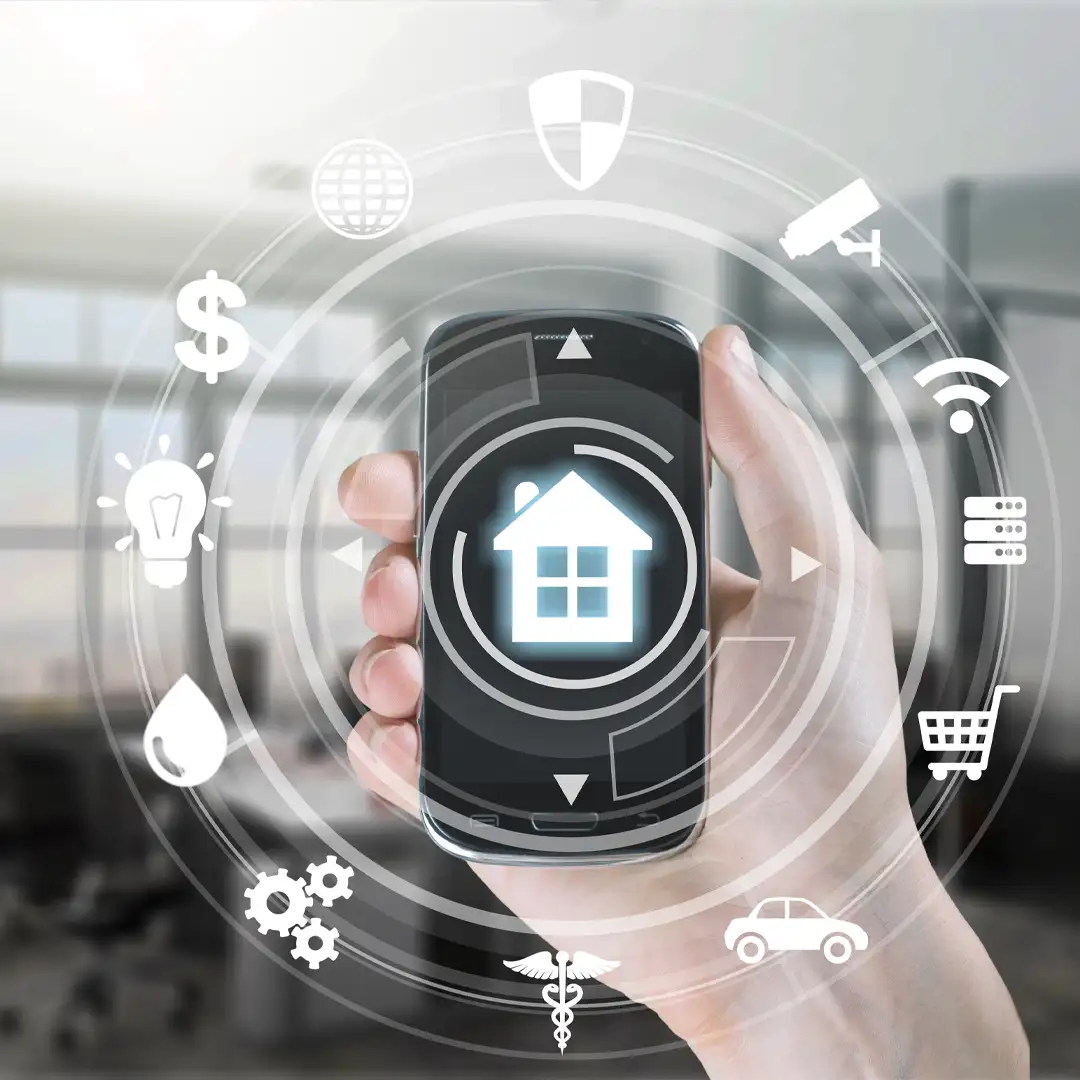








Smarter, Safer Homes for Philadelphia Families
TeamTech Security designs and installs home automation systems that bring your security cameras, smart locks, video doorbell, and home devices into a single, easy-to-manage platform. Lock your front door, check your camera feed, adjust the thermostat, and turn off the lights — all from one app, whether you’re in the next room or traveling out of state. We work with Philadelphia homeowners across Northeast Philly, Chestnut Hill, Rittenhouse Square, and beyond to build integrated systems that are reliable, professional, and genuinely easy to use.
1 App
Control Everything
100+
Smart Home Installations
1 Day
Core System Installation
24/7
Remote Access & Monitoring

One Platform. Every Device. Total Control.
WHY TEAMTECH
Everything in One App
Cameras, smart locks, video doorbell, lighting, and climate — managed from a single app with no juggling between platforms or logins.
Automated Peace of Mind
Set an "Away" mode that automatically locks doors, activates cameras, and adjusts the thermostat when you leave — without thinking about it.
Professional Grade, Family Friendly
We install the same hardware used in commercial buildings, configured for residential use — far more reliable than off-the-shelf smart home kits from big-box stores.
OUR PROCESS
From Assessment to Fully Automated Home
We assess your existing devices and automation goals, install and integrate everything, and train your household — so your smart home works from day one without frustration.
Smart Home Assessment
We assess your existing devices, Wi-Fi infrastructure, and automation goals, then design an integration plan with a phased quote that fits your budget.
Installation & Integration
Our technicians install and configure all hardware, connect devices to your home network, and set up automations and scenes tailored to your household routine.
Training & Handover
We walk every household member through the app, demonstrate key automations, and make sure everyone is comfortable before we leave.
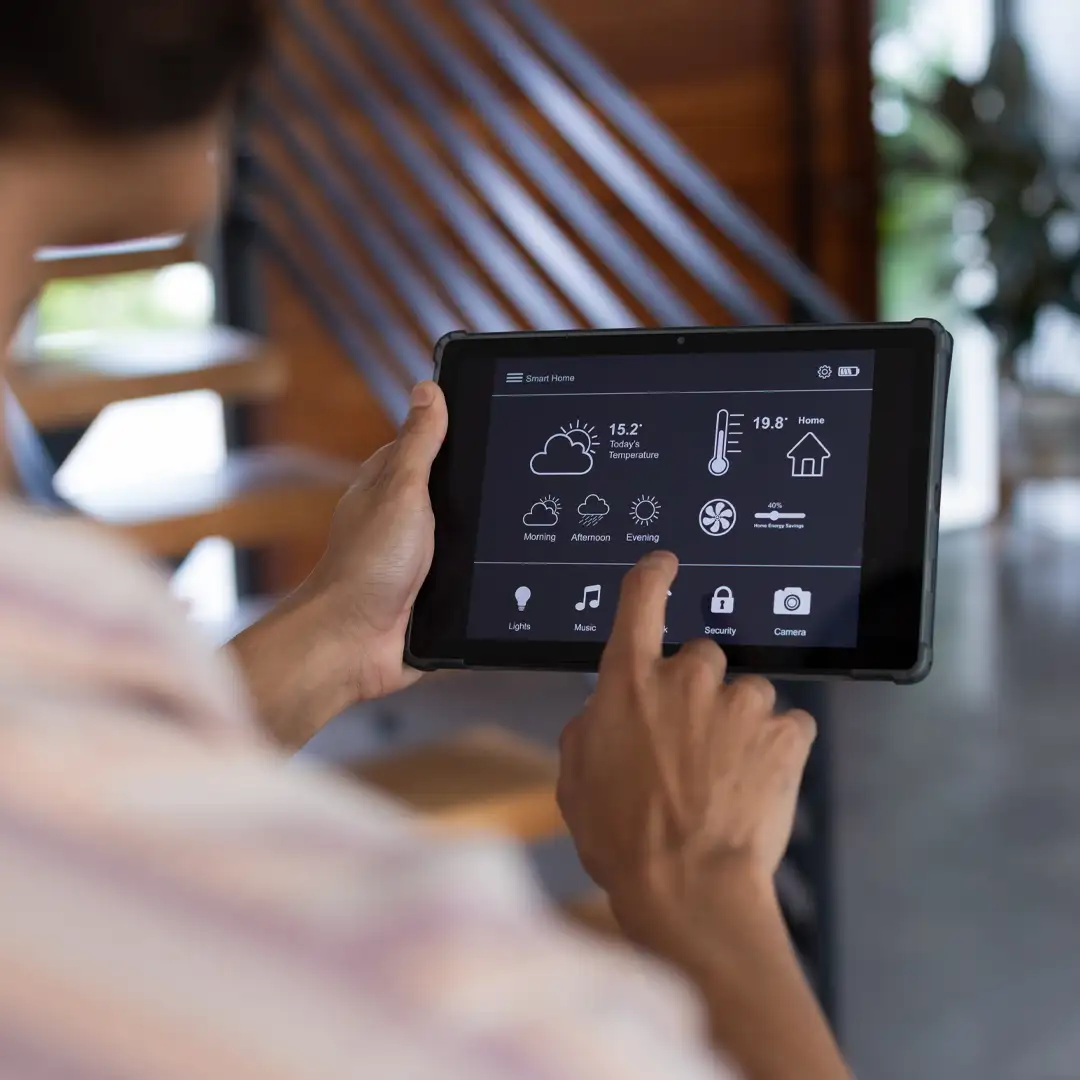

Get a Free Smart Home Assessment for Your Philadelphia Property
YOUR HOME, SMARTER
Not sure where to start? We'll visit your home, assess your existing devices, and recommend an integration plan for your lifestyle and budget — no obligation.
Smart Home Brands We Install & Integrate
TRUSTED HARDWARE
We build home automation systems around professional hardware — not the consumer-grade devices that stop working when the manufacturer discontinues the app.
Smart thermostat & HVAC control
Home security system integration
Reliable residential hardware

Camera + smart lock platform
AI motion detection
Mobile app management
UniFi Protect camera system
UniFi Access door control
Unified network management
Multi-system app management
Full-color night vision cameras
Smart event automation
IP camera integration
Smart home compatible NVR
Remote viewing & instant alerts
Smart home starter packages
Camera + NVR bundles
Easy app configuration

Smart Home Installations Across Philadelphia
OUR WORK
From Rittenhouse Square condos to Northeast Philadelphia single-family homes — browse our home automation installation portfolio.
What Philadelphia Homeowners Say
CLIENT REVIEWS
Home Automation FAQs
COMMON QUESTIONS
How much does a home security system cost in Fort Washington, PA?
For a standard Fort Washington single-family home — three to four bedrooms, attached garage, first floor with six to eight door and window access points — a professionally installed security system covering all perimeter entry points, a main floor motion detector, and two exterior cameras (driveway and rear yard) typically ranges from $1,900 to $3,800 for equipment and installation combined. This range reflects variation in camera specification, the number of window sensors on larger homes, and whether additional features such as glass break detectors for older window hardware, a video doorbell, or a smart garage door controller are included.
For homes in Fort Washington neighborhoods that back to wooded land or Fort Washington State Park, adding a rear camera rated for IR night vision performance in complete darkness and a rear exterior motion sensor typically adds $400 to $700 to the base installation — a meaningful investment relative to the specific risk that the wooded approach represents for those properties. For older colonial-era homes with larger footprints and more access points than standard mid-century construction, the perimeter sensor count is higher and the installation typically ranges from $3,000 to $5,500.
Monitoring is a separate ongoing cost, typically $30 to $45 per month for residential UL-listed central monitoring with cellular backup. Many Upper Dublin Township homeowner insurance carriers offer a 5 to 15 percent premium reduction for a professionally monitored system, which offsets a portion of the monthly monitoring cost and is worth confirming with your carrier before installation. We provide a fully itemized fixed-price proposal before any work begins, with no change orders on installation day.
Do we need to replace our HVAC system to connect it to building automation?
Not necessarily. Most modern commercial HVAC units have BACnet or Modbus communication ports that allow integration with building automation controllers without replacing the equipment. Older systems may require a compatible gateway device. We evaluate your HVAC hardware during the site audit and recommend the least disruptive integration path — replacement is only suggested when the existing unit is end-of-life.
What happens to my smart home system if the internet goes down?
Core security functions continue operating locally even without internet. Cameras record to a local NVR, smart locks still accept fingerprint and PIN entry, and motion sensors continue triggering local alerts. Remote access via smartphone requires internet, so you won’t receive push notifications or be able to check live footage remotely during an outage. We can add a cellular backup module to your system for Philadelphia homeowners who want uninterrupted remote monitoring regardless of their ISP.
Can you repair a security system that was installed by a different company?
Yes. We service and repair commercial security systems regardless of who installed them. As long as the equipment is from a brand we support — which covers the vast majority of systems installed in Philadelphia — our technicians can diagnose, repair, and reconfigure it. We’ll document the existing system during the service visit and provide recommendations if any components are end-of-life or non-standard.
What does your 90-day repair warranty cover?
Our 90-day warranty covers both parts and labor for the specific fault we repaired. If the same issue recurs within 90 days of the service visit, we return and fix it at no additional charge. The warranty does not cover new, unrelated faults or damage caused by power surges, vandalism, or third-party interference after our visit. All service visits are documented in writing so coverage is clear and unambiguous.
What security system do I need for a townhouse in a Blue Bell planned community?
For a townhouse in one of Blue Bell’s planned residential communities — the most common residential property type in Whitpain Township — the appropriate security installation addresses the specific access configuration of attached construction: a front door, a rear door or sliding glass door, ground-floor windows, and the interior garage-to-home passage door. In attached townhouse construction, the shared party wall with adjacent units is not a burglary entry vector — perpetrators enter townhouses through the same exterior access points as detached homes. The interior garage door is consistently the highest-priority entry point to include in the sensor perimeter, because electric garage door openers on older models are vulnerable to code-cloning, and a perpetrator who enters the garage through the overhead door and finds an unsensored interior passage door faces no further detection barrier.
A standard townhouse security installation in Blue Bell includes a monitored alarm panel, door contact sensors on all exterior doors including the garage interior passage door, window sensors on all accessible ground-floor windows, a motion detector covering the main living floor, and a driveway or front exterior camera. This configuration covers all primary entry points and provides both active detection (alarm triggering on any entry breach) and passive deterrence (visible camera and alarm signage reducing the attractiveness of the home as a target relative to unsecured adjacent units).
For townhouse communities with HOA-managed common areas, exterior gates, or shared parking structures, we can assess common area security as a separate installation scope — including camera coverage of the community entrance and parking area managed through a system accessible by HOA leadership — distinct from the individual unit security installation. Many Blue Bell townhouse HOA boards have requested community-wide camera coverage as a complement to individual unit alarm systems, and we install both under a single coordinated proposal.
Book a Free Smart Home Consultation
GET STARTED